Catholic in Yanchep

Go out into the deep.


Leave a comment

33rd Sunday in Ordinary Time | The Four Last Things

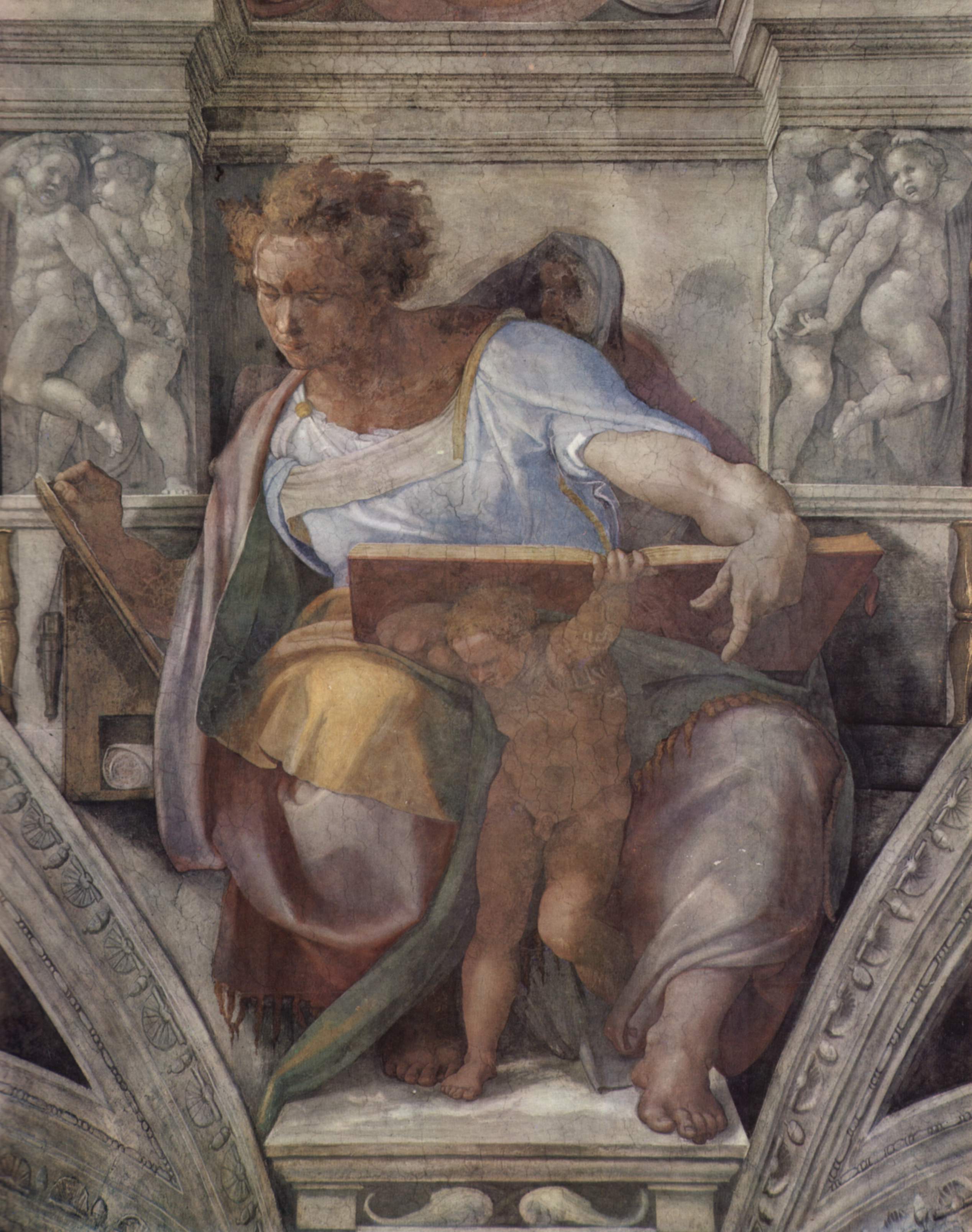
The Prophet Daniel, Michelangelo Buonarotti, c. 1508-1512, fresco, detail from the Sistine Chapel ceiling, Vatican Palace, Vatican City.

The Prophet Daniel, Michelangelo Buonarotti, c. 1508-1512, fresco, detail from the Sistine Chapel ceiling, Vatican Palace, Vatican City.

Today we are all shocked at the terrorist attacks that have left over 150 people dead in Paris.  It is sobering to remember that death can come upon us suddenly, when we are in the midst of life. This is something that during November, leading up to the end of the Church Year, we are reminded to consider – the four last things: death, judgment, heaven and hell.

If you google “judgment quotes”, you’ll come up with some interesting insights into how people generally feel about the idea of judgment:

“Never judge someone without knowing the whole story.  You may think you understand, but you don’t.”

“Judging a person does not define who they are.  It defines who you are.”

“Before you judge me, make sure you’re perfect.”

“Love is the absence of judgment.”

“Don’t judge someone just because they sin differently than you.”Judge Not
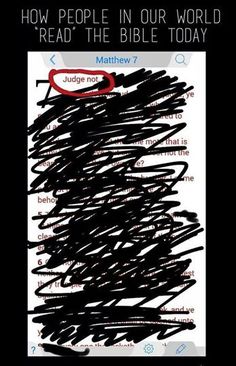
While it is easy to use these lines against other people, what are we going to say when we come before God?  After all, he’s perfectly entitled to judge us, because he does know us inside and out, and he is completely perfect.  And I doubt God would agree that love is the absence of judgement.  Anyone who says that, doesn’t believe in Justice.  In today’s Gospel, Jesus describes how the Son of Man will come ‘with great power and glory; then too he will send the angels to gather his chosen from the four winds, from the ends of the world to the ends of heaven.’

Who are his chosen?  The truth is that God is a loving Father and he wants us all to be his chosen, but he gives us the freedom to reject him.  So when God comes to judge us, there will be two basic responses.  One leads to everlasting life, and one is very likely to lead to eternal separation from God.

RESPONSE 1

Now listen here, God.  I’ve tried my best to live a pretty good life.   And I’m not judgmental like those awful people who always talk about other people’s faults and imperfections.  Anyway, you made me with certain desires and needs, so whatever I’ve done in my life, I’ve been true to myself, my wants, my nature.  What could be more natural than that?  I’m proud of what I’ve done in my life.  If you’re a loving God, why on earth would you want to judge me?  Nobody has the right to judge me.

RESPONSE 2

Loving Father, you know all things.  You gave me life, you know my heart, you know just how well or poorly I have followed you in my life.  And I am aware that I can’t get to heaven by my own effort.  I am totally reliant on your grace.  Jesus offered up his life to save me.  Please forgive me and through your great mercy allow me to live with you forever in heaven.

We don’t know the hour when we will end up before the judgement seat of the Throne of God.  Let’s spend some time examining our consciences and going to confession before Christmas.  And let’s pray for God’s mercy on those who have lost their lives in France.  While we’re about it, how about the grace of conversion for those involved in terrorism and for those who are too full of themselves to be open to God.

Today’s readings:

Word format: Year B 33rd Sunday 2015

Pdf format: Year B 33rd Sunday 2015

If you want some evidence for the accuracy of the Prophet Daniel’s predictions about the Messiah, listen to Bishop Robert Barron’s homily here.  Bishop Barron explains why the Jews were expecting a Messiah right around the time that Jesus appeared.  And for a Scripture Study on today’s readings, try Dr John Bergsma’s commentary at The Sacred Page.

1 Comment

30th Sunday in Ordinary Time | To see things as they really are

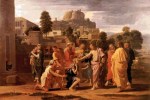
The Healing of the Blind Man of Jericho, Nicholas Poussin, 1650, oil on canvas, Musée du Louvre, Paris.

The Healing of the Blind Man of Jericho, Nicholas Poussin, 1650, oil on canvas, Musée du Louvre, Paris.

Today’s Gospel (Mark 10:46-52) is an icon of the spiritual life.

As Jesus left Jericho with his disciples and a large crowd, Bartimaeus (that is, the son of Timaeus), a blind beggar, was sitting at the side of the road. When he heard that it was Jesus of Nazareth, he began to shout and to say, ‘Son of David, Jesus, have pity on me.’ And many of them scolded him and told him to keep quiet, but he only shouted all the louder, ‘Son of David, have pity on me.’ Jesus stopped and said, ‘Call him here.’ So they called the blind man. ‘Courage,’ they said ‘get up; he is calling you.’ So throwing off his cloak, he jumped up and went to Jesus. Then Jesus spoke, ‘What do you want me to do for you?’ ‘Rabbuni,’ the blind man said to him ‘Master, let me see again.’ Jesus said to him, ‘Go; your faith has saved you.’ And immediately his sight returned and he followed him along the road.

Some highlights from Bishop Robert Barron’s homily:

  1. Jesus’ healings were real events in history.  Bartimaeus is named and might well have been alive when the Gospels were passed along in the oral tradition and then written down.  He would have been able to confirm the story.
  2. The story is also an icon – a symbolic itinerary – of the spiritual life.
  3. The setting is Jericho, a city symbolic of sin and standing athwart the purposes of God (remember Joshua). It stands for the culture that poisons the mind and the heart, the culture that produces spiritual blindness, the inability to see the deepest truth of things.  In our day, secularism is a kind of blindness.  Secularists do not see the transcendent dimension, the dimension of the First Cause.
  4. Blind Bartimaeus is a symbol of all of us, sunk in a blindness caused by the world and culture that we inhabit.
  5. His first great virtue is that he begs. We live in a culture of self-affirmation and self-assertion.  “I’m beautiful in every way … Your words can’t get me down …  I’m OK and you’re OK.”  Bartimaeus knows that he’s blind and knows that there’s nothing he can do to solve his own problem.  A very important moment in the spiritual life is when we realise our own helplessness in the face of our sin.  The twelve step program in dealing with addictions is really useful here: when a person realises he or she has hit bottom and says, “There is nothing I can do!  I can’t solve this problem.  I’ve got to turn my life over to a higher power.”
  6. Sin is addictive. We have to turn ourselves to a higher power to solve our problem with sin.  We echo Bartimaeus at the beginning of every Mass, when we say Kyrie Eleison, Lord have pity on me.  We commence the Mass with a keen awareness of our blindness and our inability to save ourselves.
  7. We are told, “Many rebuked him, telling him to be silent.” This is, sadly, typically the case.  Don’t think for a second that the majority of people will support you when you turn to Christ in our hyper-secularised time.  Don’t think people will applaud you when you start begging to a higher spiritual power.  That will strike a lot of people today as weird, medieval, maybe a little bit embarrassing.
  8. Bartimaeus kept calling out all the more. The second great virtue of Bartimaeus is persistence.  How often does the Bible insist on perseverance in prayer.  Augustine saw it most clearly when he said that this persistence causes the heart to expand, so that it can receive what God wants to give.  If God immediately responded to all our prayers, we wouldn’t be ready to receive what he wants to give.  Some of the expansion is caused by waiting.
  9. Jesus stopped and said, “Call him.” Many times in Mark’s Gospel, Jesus is presented as the still point in a chaotic world.  “They came at him from all sides.”  “He remained sleeping in the stern of the boat.”  Think of that when you’re lost.  Throughout the Gospel Jesus calls people.  We are the sheep who are supposed to hear the call of the Good Shepherd.  And of course, the church is the ekklesia, derived from the word kalein, which means to call.  What is the Church but the assembly of those who have been called by Christ into intimacy with him?  Bartimaeus is evocative of anybody aware of their own sin, blindness and incapacity who call out, “Help me!” and who then are hearing the summons of Jesus to come into the Church, the ekklesia.  The Church is the place where your vision will be restored.  The world has blinded you, the Church is the place where you will renew your vision.
  10. Bartimaeus throws aside his cloak, sprang up and went to Jesus. The throwing off of the cloak is a reference to baptism, for that’s precisely what someone did in the ancient Church when he approached the font for baptism.  They would see his street clothes as symbolic of the old life, so he would strip off his street clothes, be plunged down into the waters of baptism and then clothed in a white garment.
  11. Are you burdened by your old life? Good!  Throw it off.  Christ is calling you to something deeper.
  12. Jesus asks, “What do you want me to do for you?” This is one of the handful of times when Jesus directly asks someone this question. I’ve always recommended, move into that space: you’re kneeling down before the Lord, Jesus Christ, and listen to him as he asks, “What do you want me to do for you?”  That’s a really clarifying question.  What would you say?
  13. Bartimaeus’s answer is excellent: “Master, I want to see!” Read it also on the symbolic level.  He wants what we all want, namely to see things as they really are, to know the deepest truth of things, to know where he’s going.  So much of life today is like drifting along without purposeful movement.
  14. The Lord tells him, “Your faith has saved you.” In a word, your trust and confidence in God has healed you.  That’s what saved means here.  What’s making us sick is our closed attitude regarding the transcendent reality of God.
  15. Finally, having regained his sight, he immediately follows Jesus on the way. That’s confident discipleship.  He’s gone through several stages, from spiritual blindness to openness to Christ, resisting the crowd, being called and then answering the question the right way, and then recovering his sight within the life of the Church.  He now knows where he’s going.

Download the readings for today:

Word format:Year B 30th Sunday 2015

Pdf format: Year B 30th Sunday 2015


Leave a comment

We have moved!

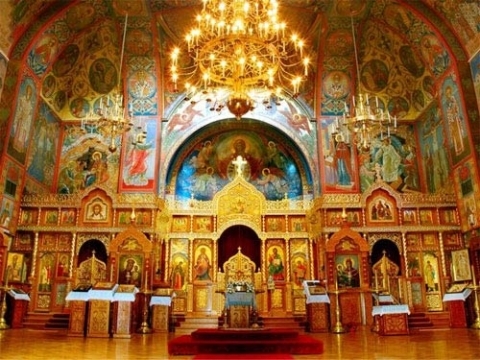
Church OrthodoxMass in Yanchep is now at the Community Centre, 7 Lagoon Drive, Yanchep: 6 p.m. Saturday evenings.  All welcome!

Does the venue look like this picture?  Well, only interiorly in our hearts and imaginations.


Leave a comment

24th Sunday in Ordinary Time, Year B | Anyone who loses his life for my sake …

Something very peculiar is going on in the world.

Finally the world is waking up to the events in Syria, but it is not in response to the brutal martyrdoms of Christian children who have been beheaded with their heads paraded on poles.

It is rather the photo of Aylan Kurdi, whose drowned body washed up on a Turkish beach, who has spurred the world into action.  And where was his father at the time Aylan went overboard?  Speeding at the helm of the vessel according to Zainab Abbas, who said,“He was a smuggler.  Yes, he was the one driving the boat.”

Frankly, the media aren’t particularly interested in Christians being persecuted.  Meh, Christians are fair game, aren’t they?  Isn’t it their mission to lose their lives for the sake of the Gospel?  The highest Sunni authority in Australia, Dr Ibrahim Abu Mohamed, has said, in response to the proposal that Christians and other minority groups be given priority among Syrian refugees:

“Statements like this, in their clarity of discrimination against Muslims … assert the counter narrative that Muslims are always going to be discriminated against and vilified in the Australian community.”  Muslims are “feeling yet another form of discrimination, or marginalisation and of targeting”.

Eh?  Is he so focused on his own sense of victimhood that he can’t see the suffering of others?  Surely there are times to discriminate – in favour of those who are the chief victims of persecution?

Our readings today remind us how it is part of the essence of Christianity to be willing to be persecuted: “‘If anyone wants to be a follower of mine, let him renounce himself and take up his cross and follow me. For anyone who wants to save his life will lose it; but anyone who loses his life for my sake, and for the sake of the gospel, will save it.’

But that doesn’t mean we don’t go to the aid of our brothers and sisters in need!

Read the Archbishop’s statement on assistance to refugees.  Donate to the persecuted Christians in Iraq and Syria here.

Today’s readings:

Word format: Year B 24th Sunday 2015

Pdf format: Year B 24th Sunday 2015

For a Scripture Study on today’s readings, see Dr John Bergsma’s commentary.

And you might want to listen to Fr Barron’s homily – which discusses the Catholic vs Protestant interpretation of the relative importance of Faith and Works (see today’s second reading from the letter of James).  Actually this issue has largely been resolved by the Joint Declaration on the Doctrine of Justification which saw agreement in essentials between Catholics, Lutherans and Methodists.


Leave a comment

Update on tomorrow’s Mass for the Assumption of the Blessed Virgin Mary

Mass will now be at 8.30 a.m. tomorrow morning at the Presbytery, 3 Blaxland Avenue, Two Rocks.  Sorry about the late change of plan!

Evening Mass will be at the usual time and place.


Leave a comment

The Most Holy Trinity, Year B | God is by nature relational

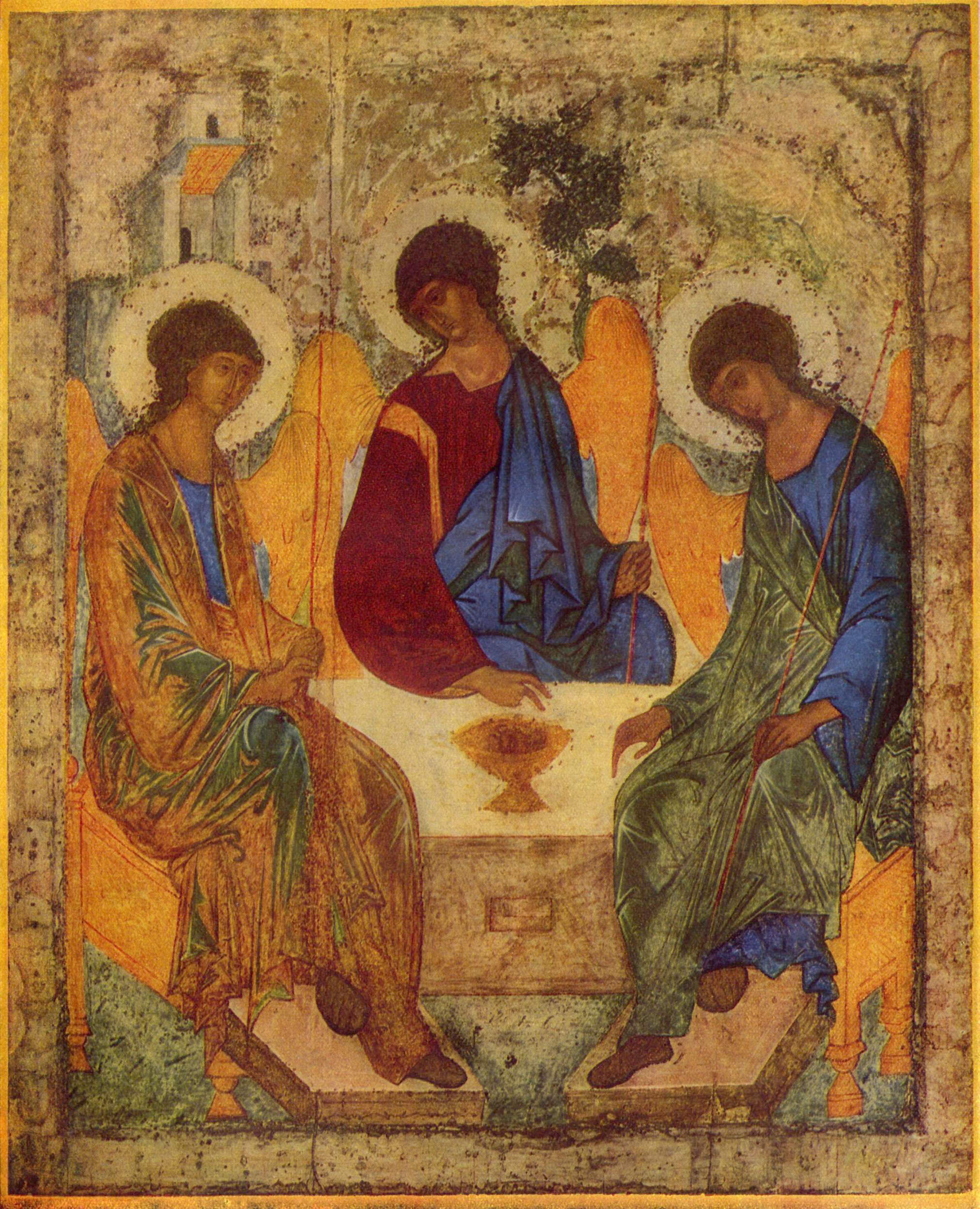
Russian Icon of the Old Testament Trinity, Andrei Rublev, c.1360-1428, Andronikov Monastery, Moscow.

Russian Icon of the Old Testament Trinity, Andrei Rublev, c.1360-1428, Andronikov Monastery, Moscow.

Today’s readings:

Word format: Year B Trinity Sunday

Pdf format: Year B Trinity Sunday

God is One, because he is the fullness of being and is not limited by something other than God.  But Scripture also reveals that God is Love, and that means that God is by his very nature a relational community of persons: Father, Son and Holy Spirit.  From John Bergsma at The Sacred Page:

If God is monopersonal and Jesus is not divine (=Arianism), then God showed his love for us by this: by creating another creature who came down to suffer, die, and save us.  But God didn’t come Himself.  That’s nice, but it’s hardly extreme love.

On the other hand, if the different persons of the Trinity are just “modes” of God’s one person (=Modalism), then there is nothing but self-love in God.  God the “Father” and God the “Son” aren’t really different, so the love between them is either an illusion, an anthropomorphism, or self-love.  Self-love is not the highest love—in fact, it may be the lowest.  The implication is that until God created other persons (angels, humans) there was in Himself nothing but self-love, but not the highest form of love—total gift of self for another person (John 15:13).

If God is not a Trinity, he did not have the perfection of love in Himself until he created other persons to love.  So God was imperfect until the world was made. That creates philosophical difficulties.

But God is a Trinity.  There existed within Himself, without the need of creatures, the perfection of love from all time: the perfect and total gift of self from Father to Son and back again.  The Self they exchange is the Spirit.  Thus, God did not create out of a need to attain perfection Himself, but out of the gratuitous overflow of his love.  And, as St. Paul teaches in this passage of Romans, his desire for us is to draw us into the burning circle of his love.

So there is a very great difference in how we relate to God because he is a Trinity, and if we do not understand or recognize his Trinitarian nature it impairs our union with Him due to misconceptions.  A monopersonal God can be worshiped and even loved; but only the true, tripersonal God can draw us into the flow of love within Himself, making us “partakers of the divine nature” (2 Peter 1:4).  Read more here.

But don’t expect to understand the Trinity fully.  John Bergsma again:

Still, the Trinity is a mystery.  But mysteries are not unique to theology or religion: in physics, it’s well-known that light is both a wave and a particle.  How can this be?  No one knows, but experiments show that it behaves like both.  The doctrine of the Trinity is like that.

Fr Barron explains more in this series of videos:

Though contemplation of the Divine Nature is good, it’s not enough!  Listen to Fr Barron explain that the doctrine of the Trinity is a call to action: click here to listen.


1 Comment

2nd Sunday of Easter, Year B | Does God’s Divine Mercy mean you don’t have to do anything to be saved?

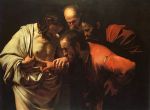
The Incredulity of St Thomas, Caravaggio, (1602), oil on canvas, Sanssouci Palace, Potsdam, Germany.

The Incredulity of St Thomas, Caravaggio, (1602), oil on canvas, Sanssouci Palace, Potsdam, Germany.

This Sunday is the Divine Mercy Sunday, and Pope Francis is about to convoke a Jubilee of Divine Mercy starting on 8th December.  A jubilee year is a time of joy and universal pardon (see Leviticus 25).  Does this mean we are all going to be pardoned without our cooperation?  Let’s remember what St Augustine said:

“He was handed over for our offenses, and He rose again for our justification (19).” What does this mean, “for our justification”? So that He might justify us; so that He might make us just. You will be a work of God, not only because you are a man, but also because you are just. For it is better that you be just than that you be a man. If God made you a man, and you made yourself just, something you were doing would be better than what God did. But God made you without any cooperation on your part. For you did not lend your consent so that god could make you. How could you have consented, when you did not exist? But he who made you without your consent does not justify you without your consent. He made you without your knowledge, but He does not justify you without you willing it.” (Sermon 169, 13, ca. 391-430 A.D.)

To quote Billy Kwan in The Year of Living Dangerously, “What then, must we do?” To understand what you need to do, listen to Fr Barron’s homily here.  It’s not enough just to be ‘a nice person’.  Or as Dietrich Bonhoeffer said,

Cheap grace is the preaching of forgiveness without requiring repentance, baptism without church discipline. Communion without confession. Cheap grace is grace without discipleship, grace without the cross, grace without Jesus Christ. (The Cost of Discipleship)

Today’s readings can be downloaded here:

Word format: Year B Easter 2nd Sunday 2015

Pdf format: Year B Easter 2nd Sunday 2015


Leave a comment

4th Sunday of Lent | Why do so many prefer darkness to light?

The Crucifixion, Isenheim Altarpiece, centre panel, Matthias Grünewald, 1512-1516, chapel of the Hospital of Saint Anthony, Isenheim, Germany, c. 1510-15, oil on wood, 9' 9 1/2" x 10' 9" Unterlinden Museum, Colmar, France.

The Crucifixion, Isenheim Altarpiece, centre panel, Matthias Grünewald, 1512-1516, chapel of the Hospital of Saint Anthony, Isenheim, Germany, c. 1510-15, oil on wood, 9′ 9 1/2″ x 10′ 9″ Unterlinden Museum, Colmar, France.

This week we saw the tragic death of 18 year old Australian suicide bomber, Jake Bilardi.  In a blog post from January 13, Bilardi says, “And that is where I sit today, waiting for my turn to stand before Allah (azza wa’jal) and dreaming of sitting amongst the best of His creation in His Jannah, the width of which is greater than the width of the heavens and the Earth.’’

How sad that in his search for God, he found the wrong one.  Carolyn Moynahan, in her article, Why do kids desert the West to fight with Isis, written well before Jake’s death, hits the nail on the head in her analysis.  And as Greg Sheridan says in his article in The Australian, “how long can the West live off the moral capital of religious conviction that it is now abandoning? The West is the only part of humanity abandoning religious belief. Can societies in which there is no overarching idea beyond the individual compete successfully in the long run?”

In our readings today, John invites us to turn to the right God while there is still time:

For God sent his Son into the world not to condemn the world,
but so that through him the world might be saved.
No one who believes in him will be condemned;
but whoever refuses to believe is condemned already

Of course, Westerners are likely to balk at the word ‘condemned’.  But of course it’s not God who condemns you, it’s your refusal to seek him that does.

Download today’s readings here:

Word format: Year B Lent 4th Sunday 2015

Pdf format: Year B Lent 4th Sunday 2015

To understand  how God can be both merciful and yet allow people to be condemned, read the homily from Sacerdos.  And listen to Fr Barron explain God’s tender mercy here.

Click-here-to-listen


Leave a comment

1st Sunday of Lent, Year B | Spiritual self-discipline

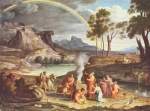
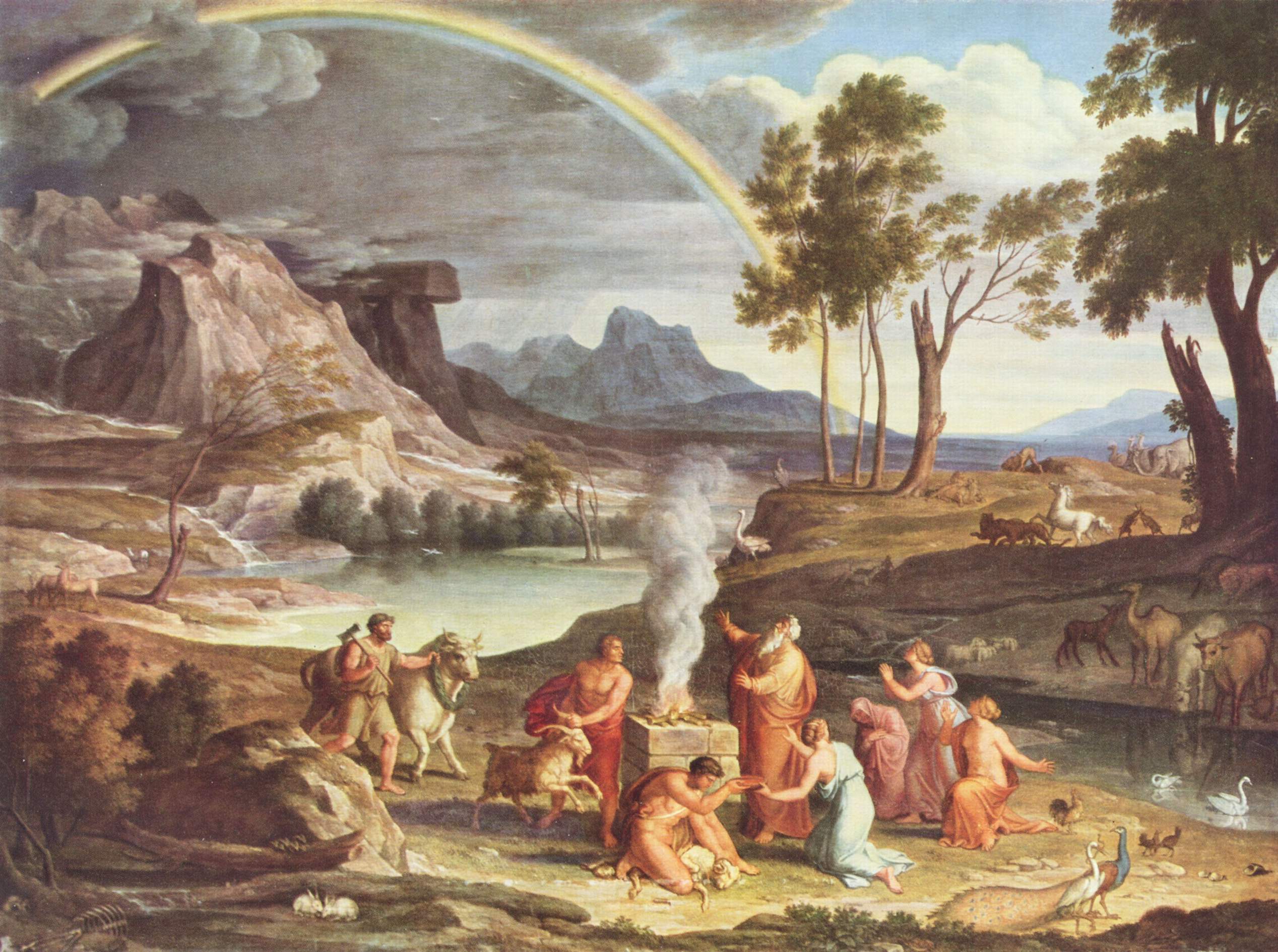
Noah Flood Joseph_Anton_Koch_006

Landscape with Noah’s Thank Offering, Joseph Anton Koch, ca. 1803, oil on canvas, Pinakoteck, Munich.

While all the confused western world watches and reads Fifty Shades of Grey, which elevates the degrading practices of bondage-discipline-sado-masochism, the church instead invites us to impose our own spiritual self-discipline during the six weeks of Lent: more prayer, more repentance, more fasting, more charity and almsgiving, all to be done with joy and without drawing attention to oneself.  Today’s gospel describes how Jesus prepares himself for his public ministry by 40 days of fasting in the wilderness.  Download today’s readings here:

Word format: Year B Lent 1st Sunday

Pdf format: Year B Lent 1st Sunday

What does all this have to do with the picture of Noah shown above?  Listen to Fr Barron’s homily here:

Click-here-to-listen


… and for a Scripture Study on these readings, go to Dr Michael Barber’s commentary here.

By the way, if you want an entertaining read about where the craze for Fifty Shades of Grey comes from, you can’t do better than Fr Dwight Longenecker’s Why Sado-Masochism is going to be huge and his excerpt from The Gargoyle Code, Pipteazle on Porn for Gals.  Seriously though, it’s scary that so many people are taking the wide and easy road to a place that ends in spiritual death.  Please pray for them.  By the way, no, I haven’t read it – the Wikipedia entry was enough for me to get a general idea.


Leave a comment

A Blessed Christmas to you | Today is born our Saviour, Christ the Lord!

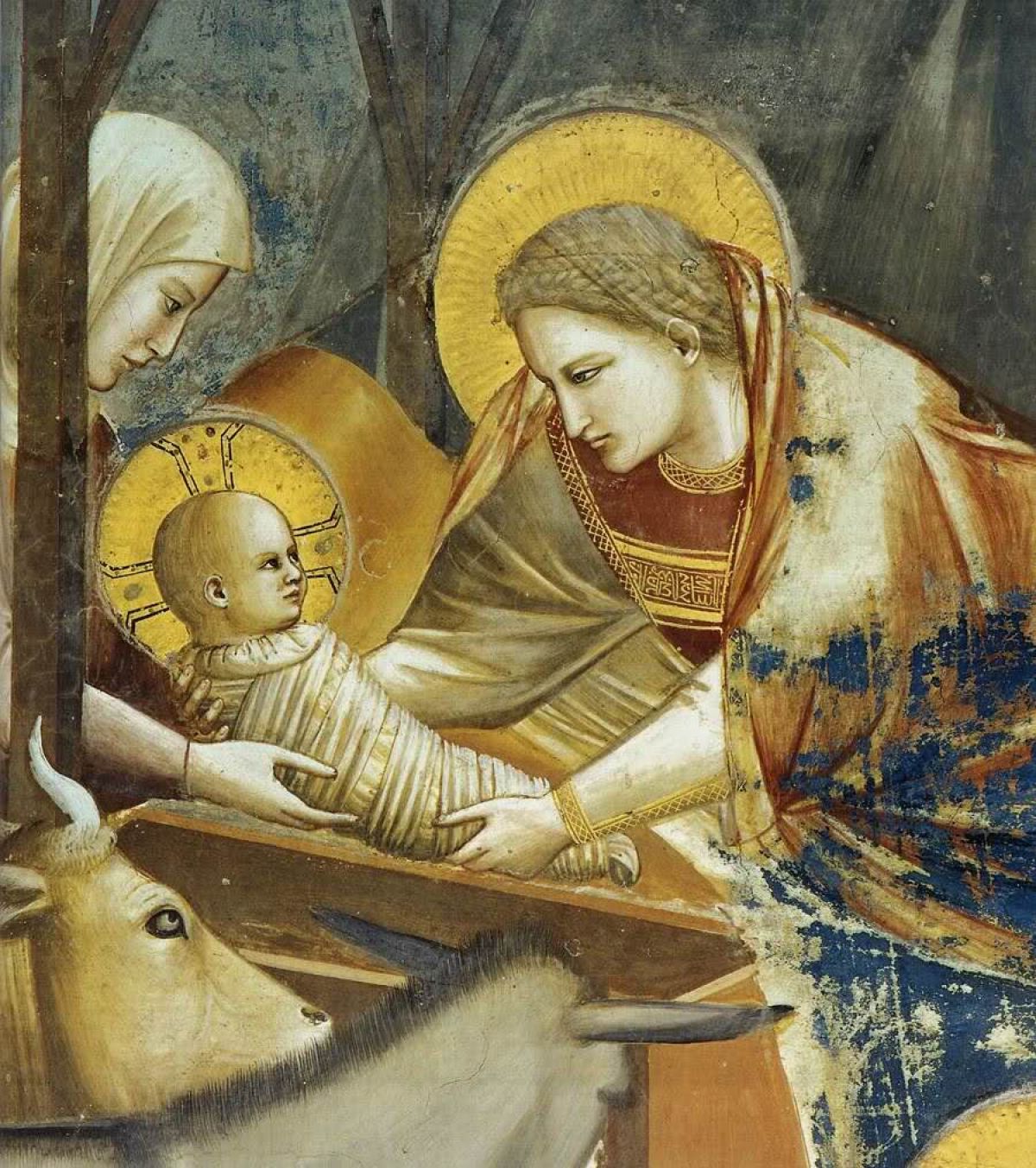
No. 17, Scenes from the Life of Christ - Nativity: Birth of Jesus Giotto di Bondone (1304-1306), Scrovegni Chapel, Padua, Veneto, Italy.

No. 17, Scenes from the Life of Christ – Nativity: Birth of Jesus
Giotto di Bondone (1304-1306), Scrovegni Chapel, Padua, Veneto, Italy.

A very happy and holy Christmas to all our parishioners and other followers!  Readings for the Vigil and the Mass of Christmas Day can be dowloaded here:

Word format:Christmas

Pdf format:Christmas